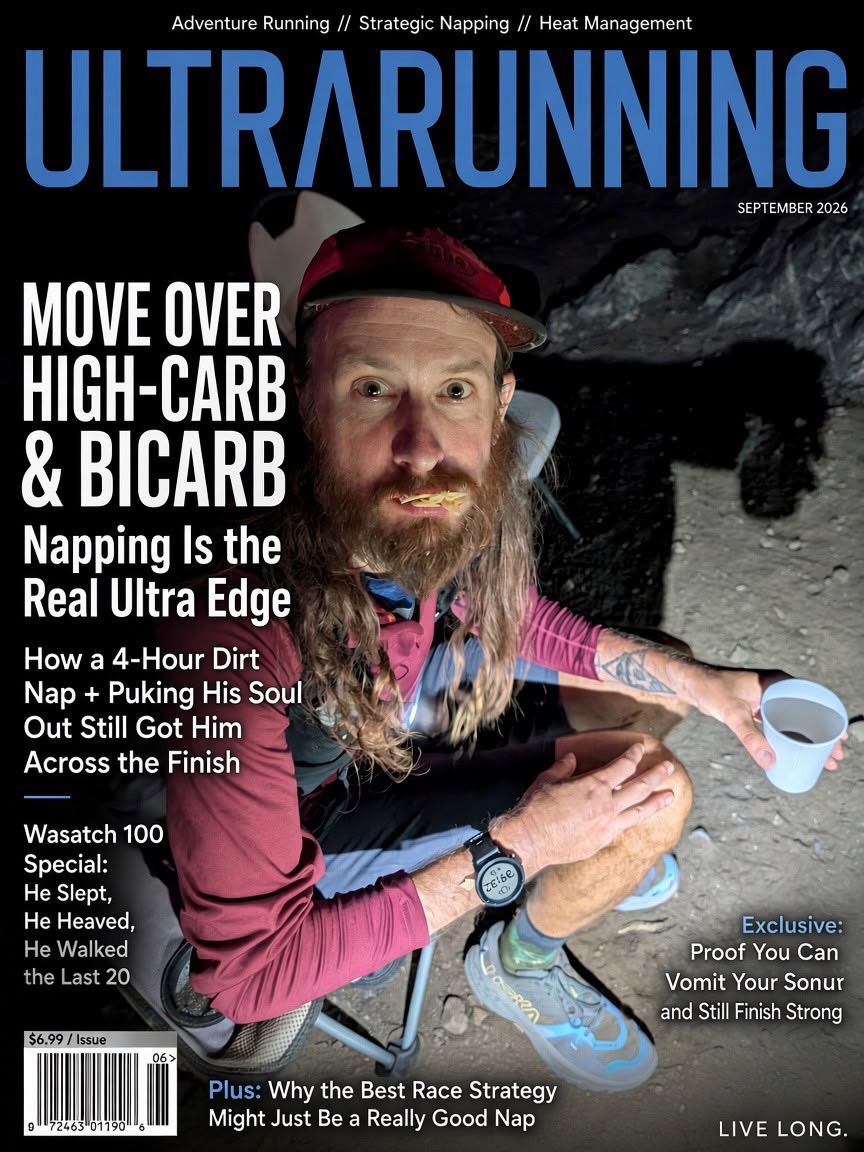
While I was watching UT beat OSU, my son-in-law Eric was running a gut-wrenching 100 miles in the Utah heat this past weekend. The following is his story.
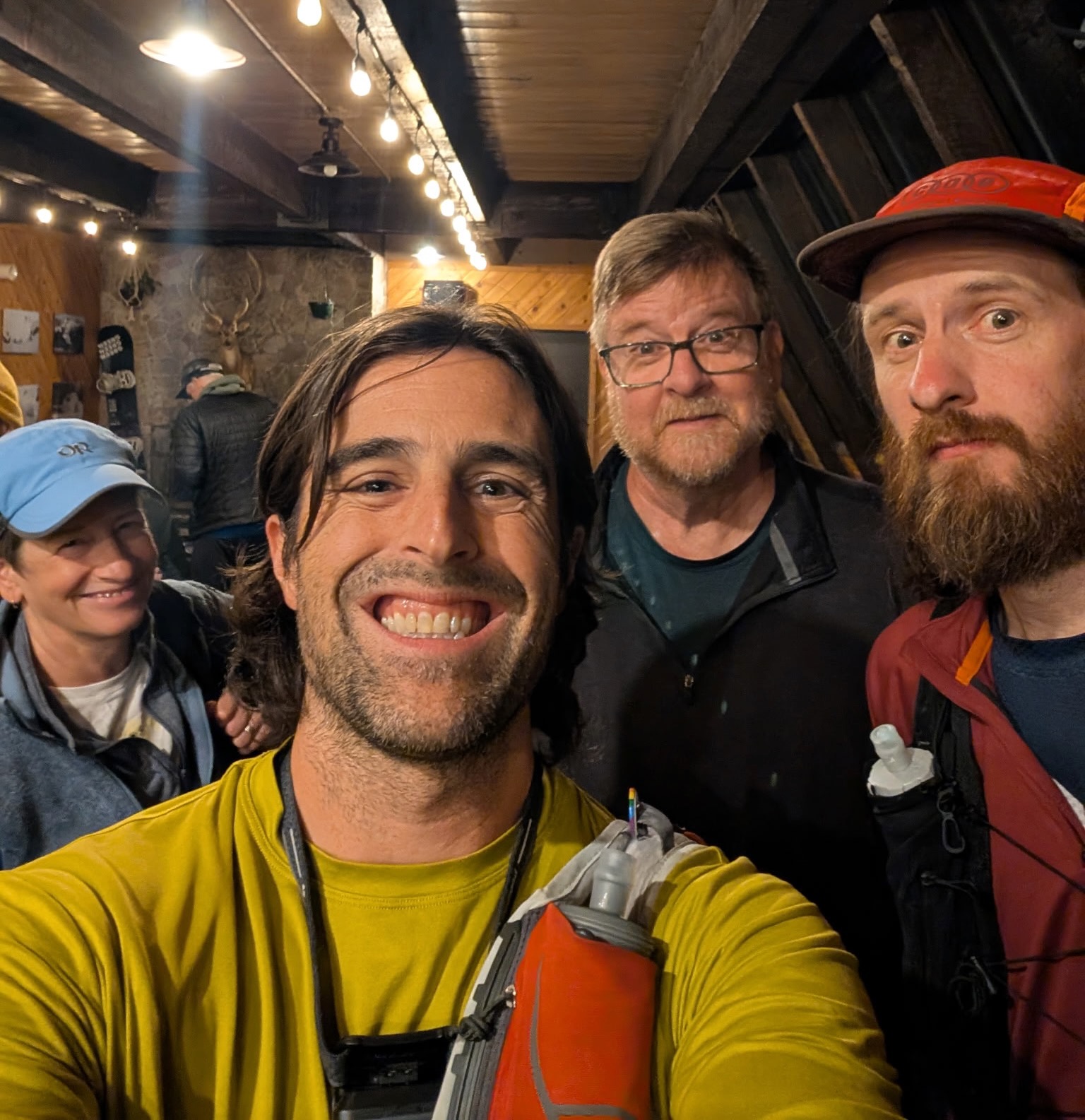
The alarm went off at 3:45 Friday morning for Eric and everyone else in his crew.
He ate some oatmeal, drove to Kaysville, Utah, and at 5:00 a.m. stepped into the darkness with the other runners starting the Wasatch Front 100.
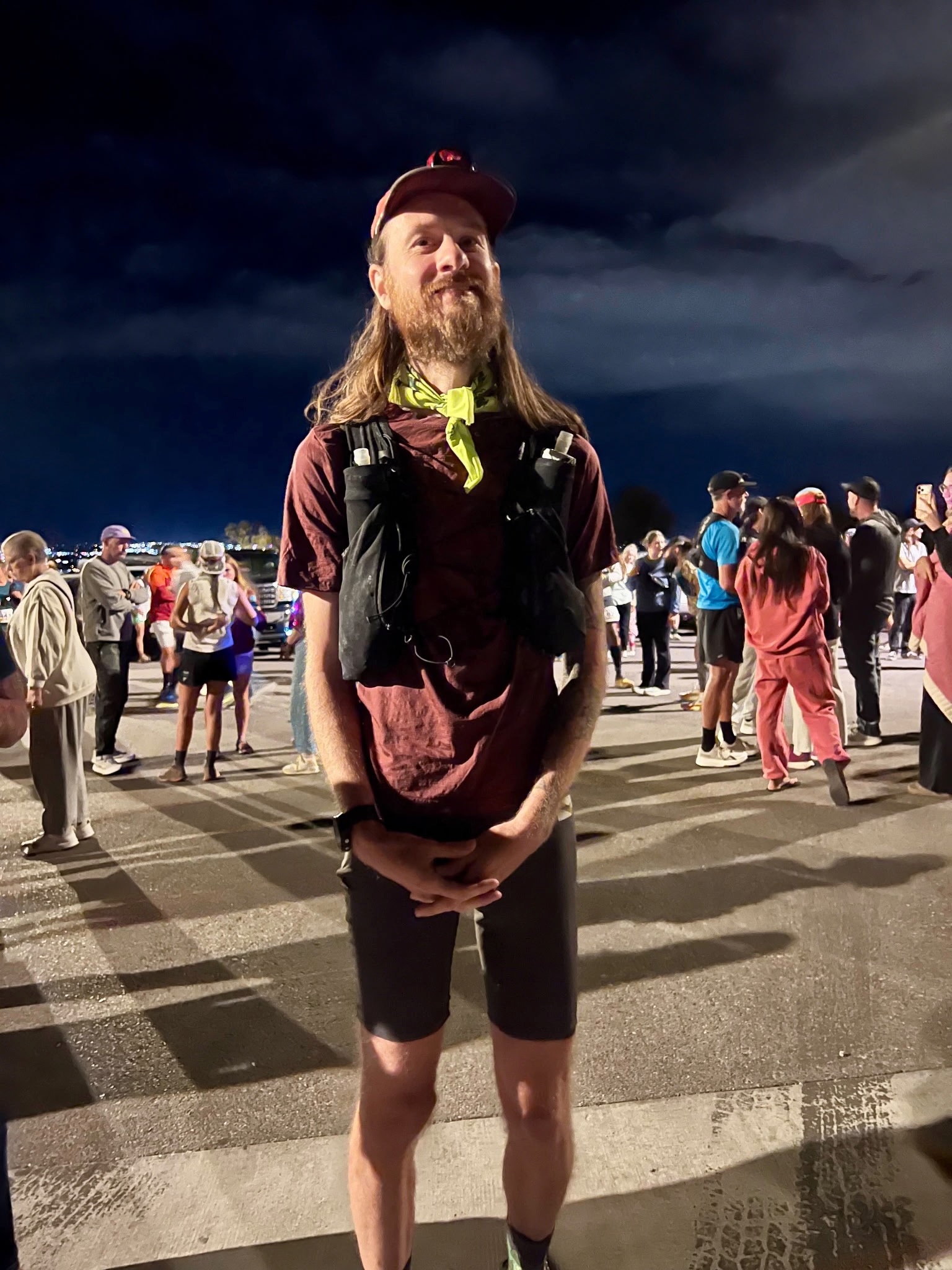
The race wasted little time introducing itself. Over roughly the first seven miles, the course climbed nearly 6,000 feet. There are ladders less steep.
Eric settled into a small group and resisted the temptation to race the people around him. The effort stayed conversational. The legs felt good. The morning was cool. There were still nearly 100 miles ahead.
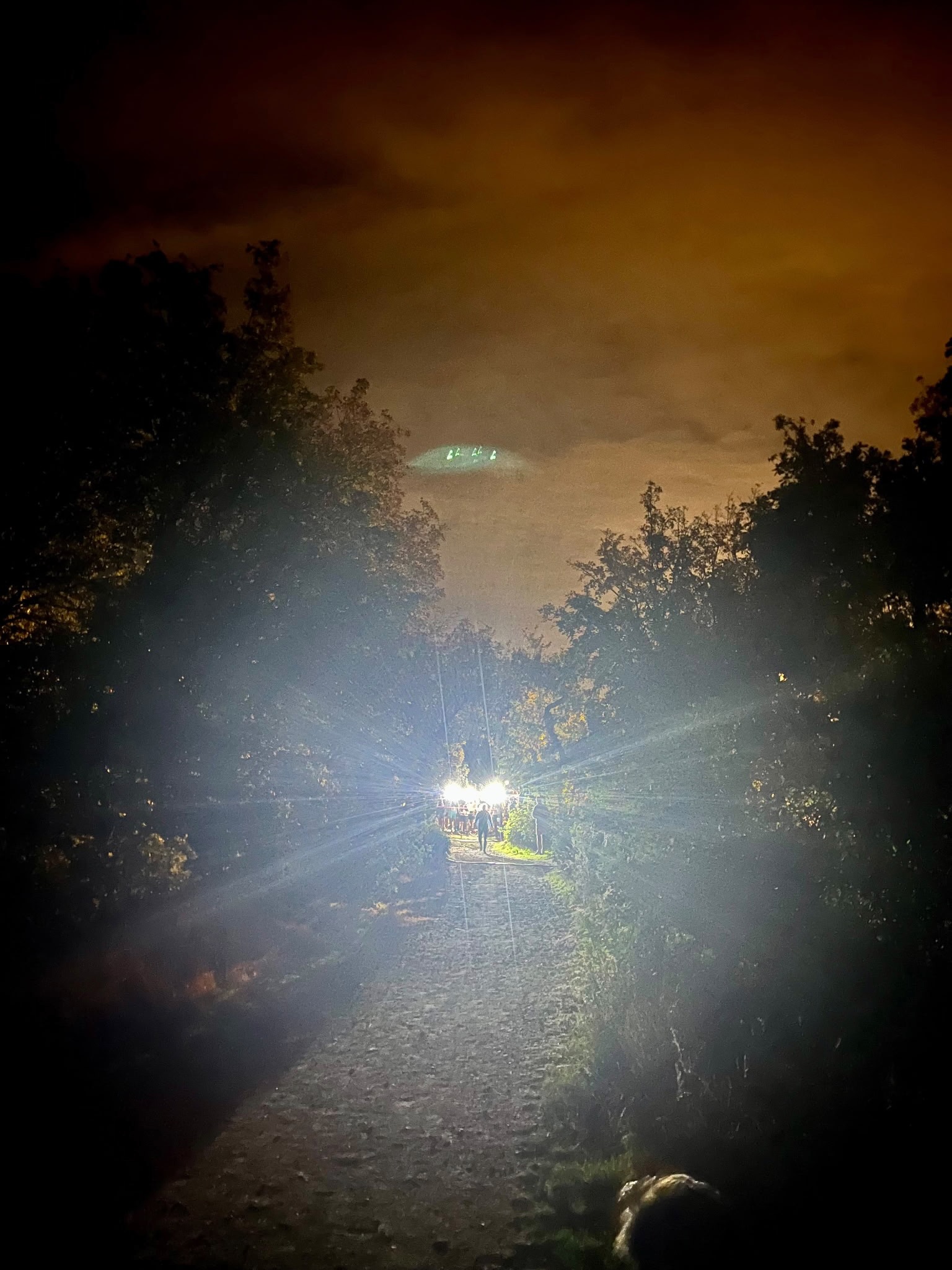
At the top of that first enormous climb, gravity finally changed sides. Eric started downhill and let himself run. For a few miles, he wasn’t moving like somebody trying to survive a hundred-mile mountain race. He was moving like a runner. His fastest miles of the entire day came there—around 7:25 per mile. The little group he’d climbed with disappeared behind him. He sailed through the water stop near mile 11 and into Bountiful B at 16.6 miles feeling strong. So far, Wasatch was going exactly according to plan.
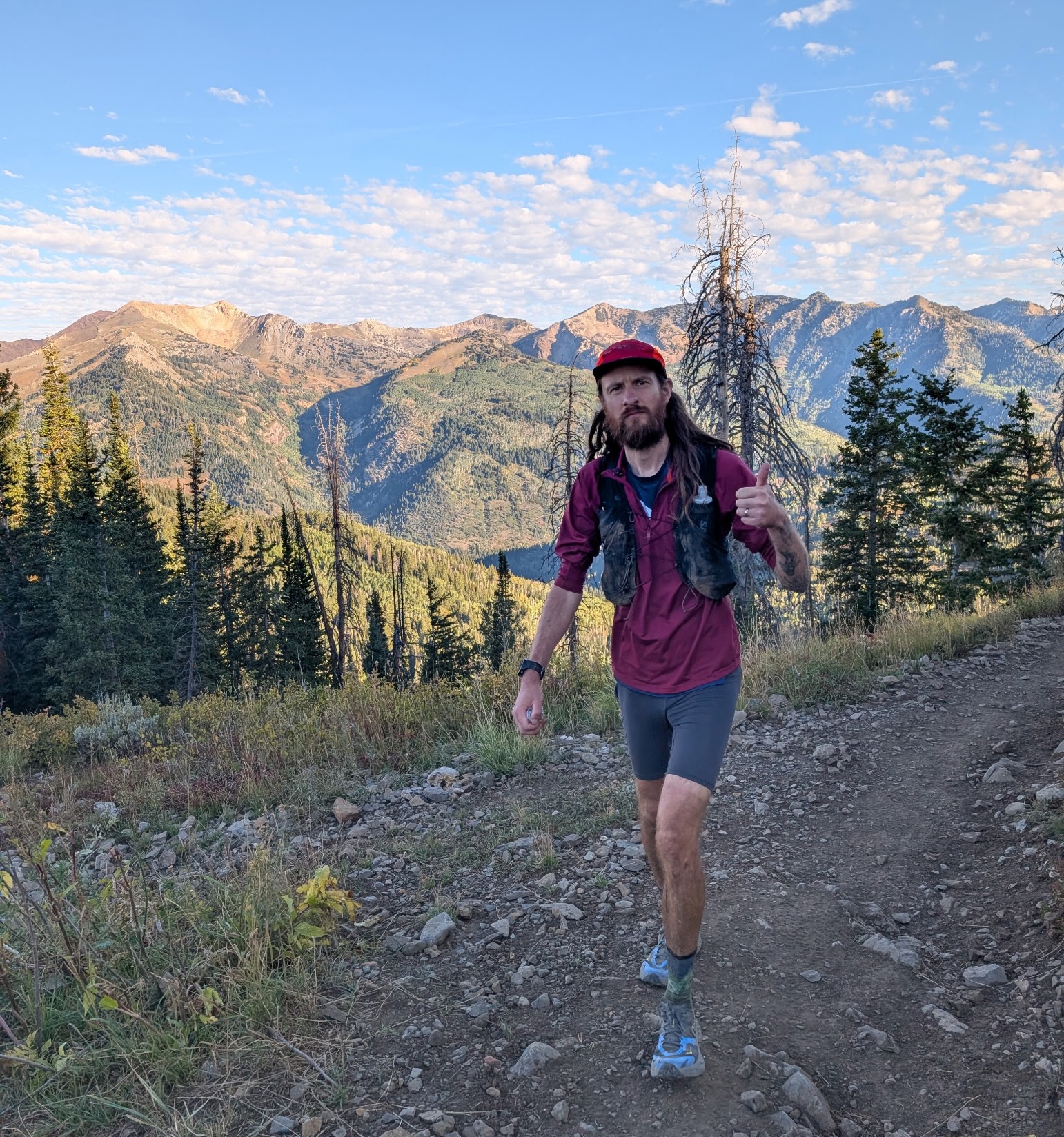
The miles continued to come easily through Sessions. But the sun was climbing too. Eric hooked up with another runner as the temperature began rising and the cool mountain morning started disappearing.
There was also a complication. The race wasn’t providing the carbohydrate drink mix he’d been counting on, so before Big Mountain he broke away long enough to mix a bottle of his own. It was a small disruption. At the time.
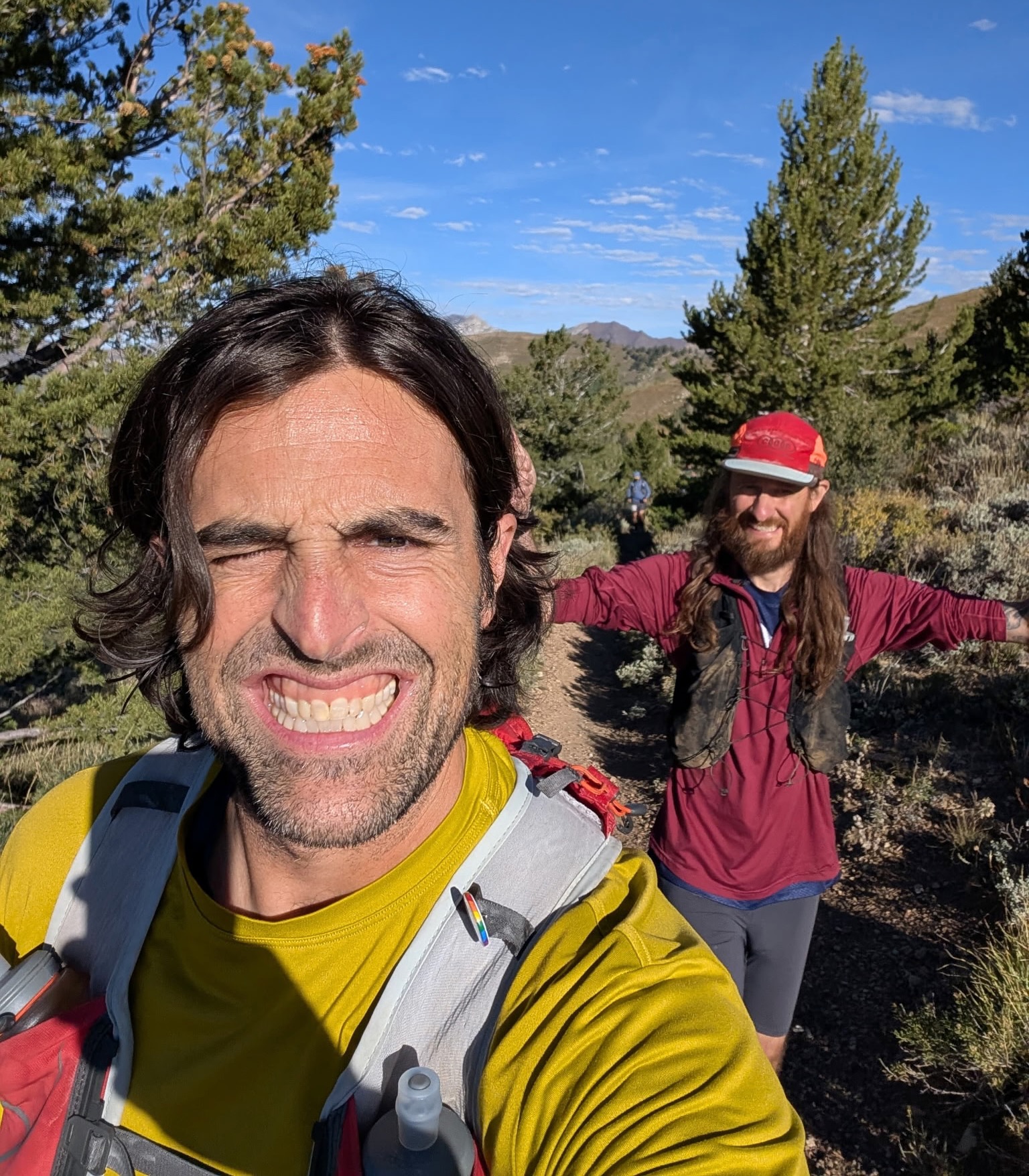
Big Mountain was the first place Eric saw his crew. He was still smiling. Still moving well. Still feeling like he was racing. But something had begun to change. He was getting hot.
Not uncomfortable-hot. Not the kind of heat runners dismiss by pouring a cup of water over their heads. The accumulating kind. And waiting beyond Big Mountain was a section of the Wasatch course appropriately known as The Furnace. Eric was about to learn why.
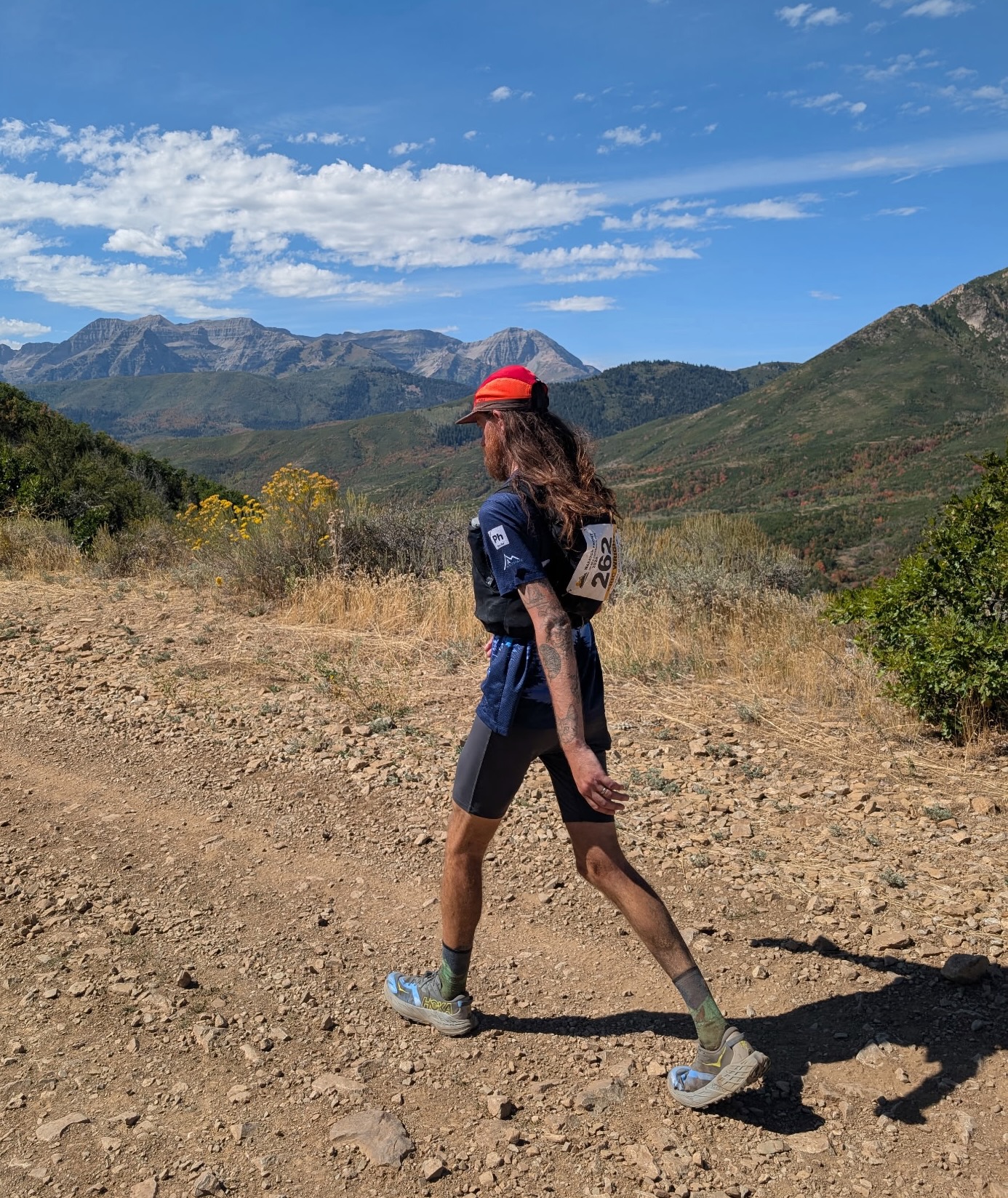
The temperature climbed toward 90 degrees. There wasn’t enough shade. The sun beat down relentlessly as Eric teamed up with a woman who was still moving well, the two of them pushing deeper into the course together.
But the heat kept winning little battles. By Alexander Ridge, Eric knew he was in trouble. He stopped and tried to cool himself. He took his time. It didn’t matter. Everything around him was hot. Eventually, there is only so much heat the human body can shed.
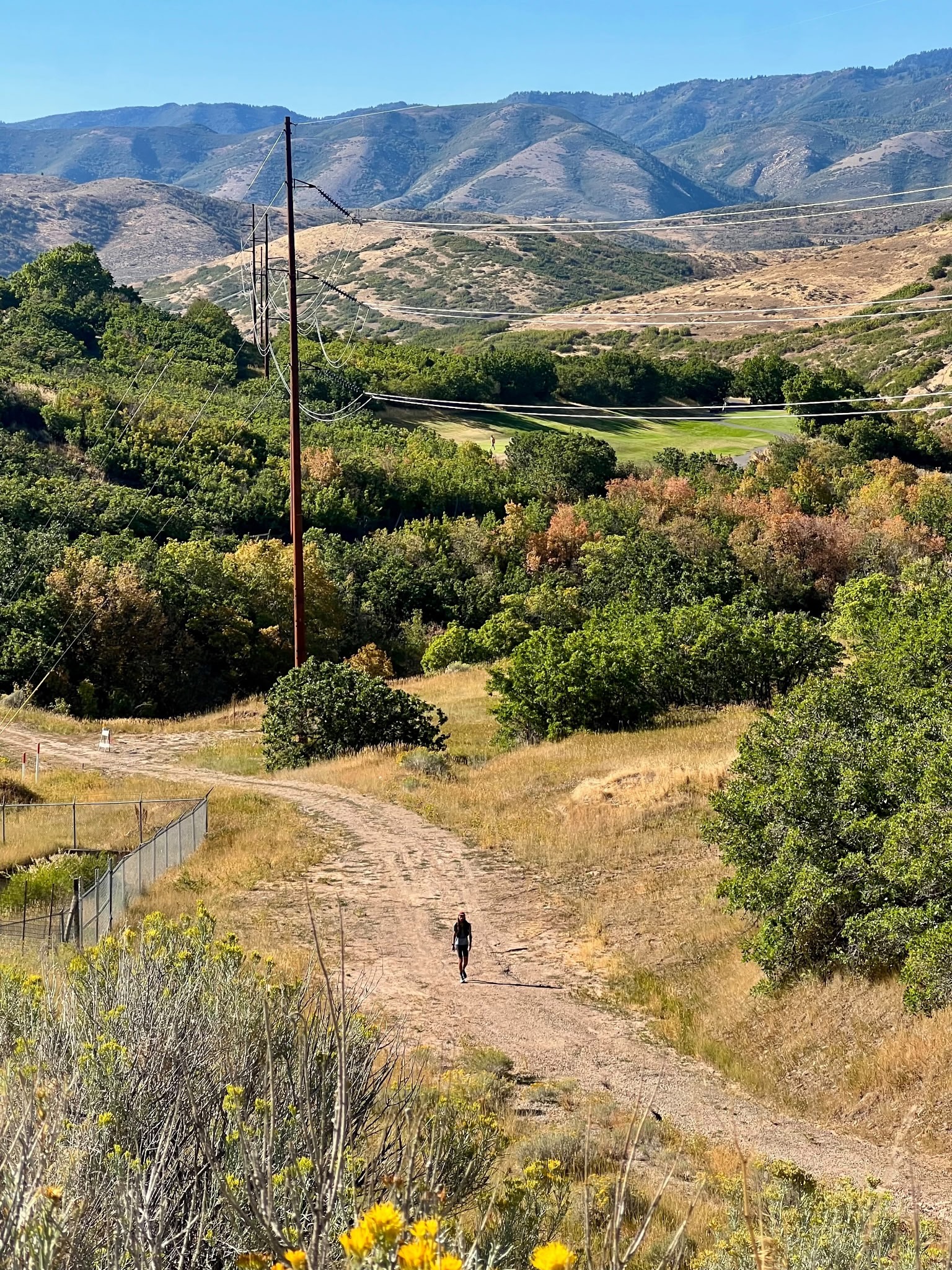
The run toward Lambs Canyon became a trudge. By the time Eric reached his crew, the runner who had flown down the mountain at 7:25 pace that morning was gone. He was cooked. He couldn’t take in calories. His body had stopped cooperating with the race plan. Aaron covered him with ice.
Eric sat there for roughly 45 minutes trying to bring his temperature down, trying to eat, trying to make himself functional enough to continue. A hundred-miler offers plenty of opportunities to wonder whether you should quit. This was one of them. Eventually, Eric stood up and headed back into the mountains.
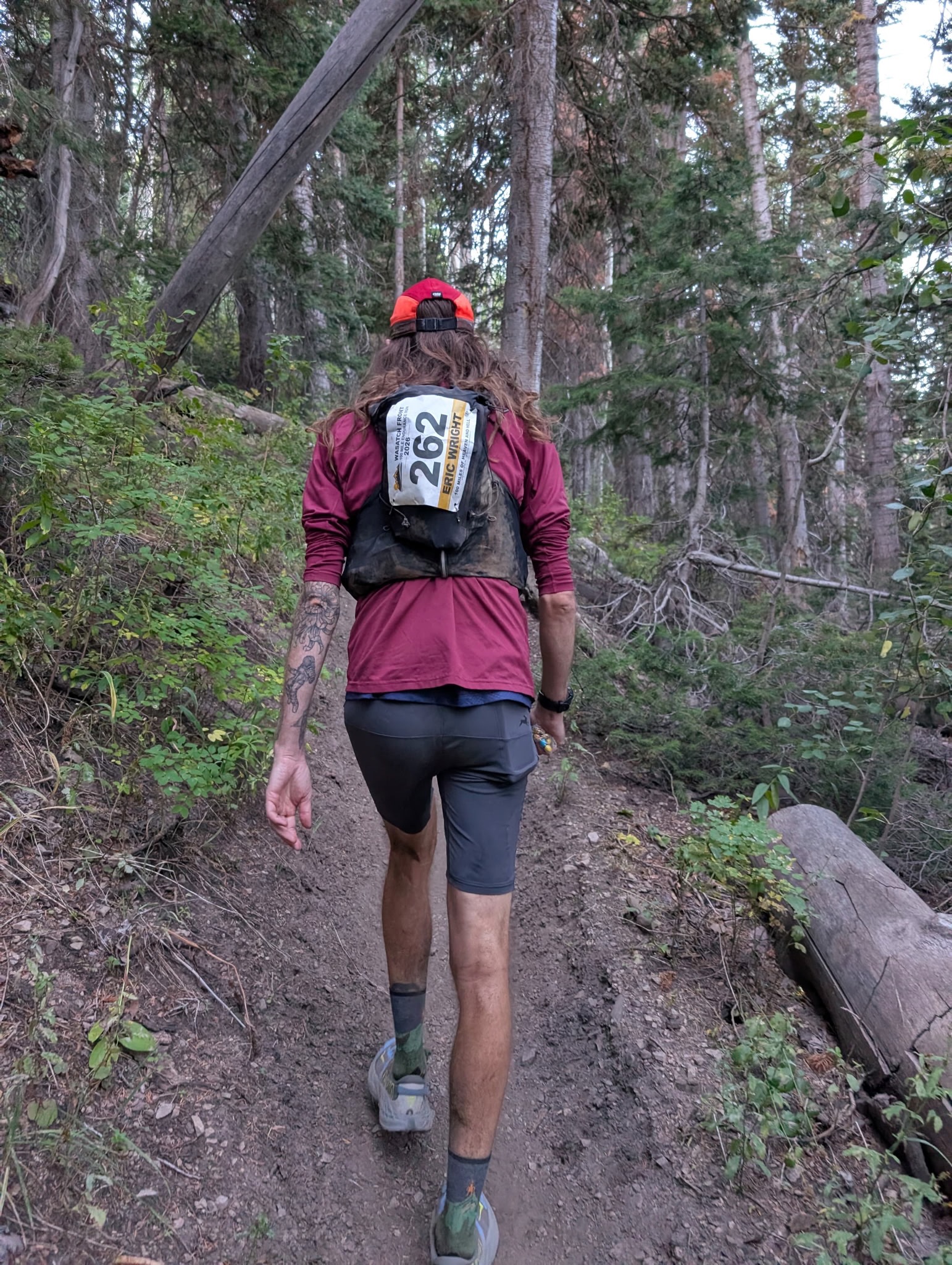
For a while, it worked. On the trail toward Big Water, he began moving reasonably well again. The crisis at Lambs seemed to be easing. Then he reached the aid station and started shivering uncontrollably. Hours earlier, the problem had been that he couldn’t get cool. Now he couldn’t stop shaking.
He spent another 30 minutes at the aid station trying to pull himself back together. The clock kept moving. So did the race. Eric didn’t. Until finally he did.
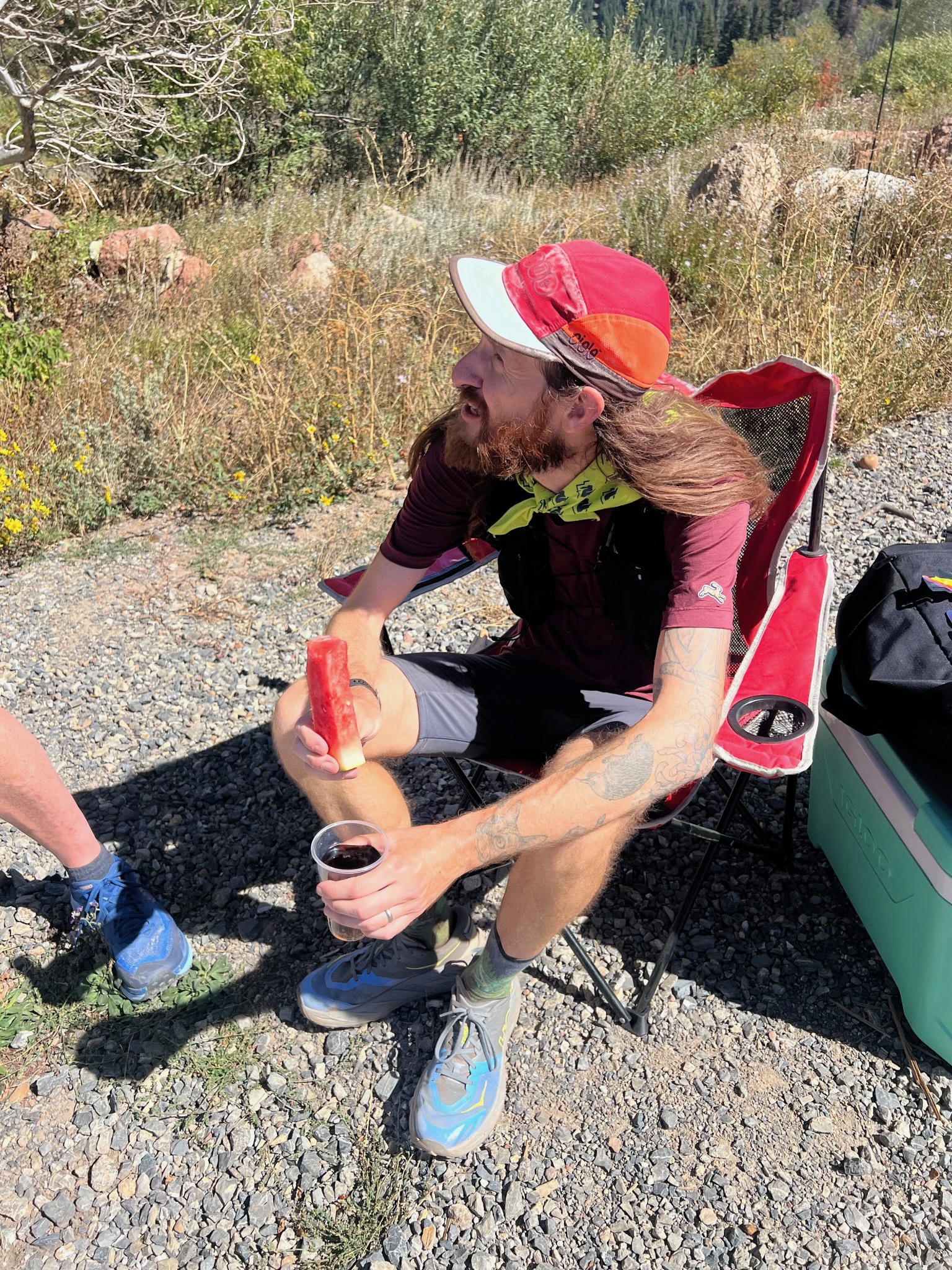
He got up again. The next two aid stations were almost mercifully uneventful. There was plenty of climbing, but climbing wasn’t the problem. His legs knew how to climb. After everything the heat had done to him, the mountains themselves almost felt familiar. Slowly, Eric worked his way toward Brighton. He was behind his goal schedule now, but not disastrously so. He was still in the Wasatch 100. Still moving forward. Still racing.
Brighton was warm. Bright. Inviting. After a day spent baking beneath the Utah sun and a night spent dragging himself through the mountains, it offered food, people, warmth and chairs. All the things an exhausted ultrarunner desperately wants. Which made Brighton dangerous in an entirely different way. Because eventually Eric had to leave.
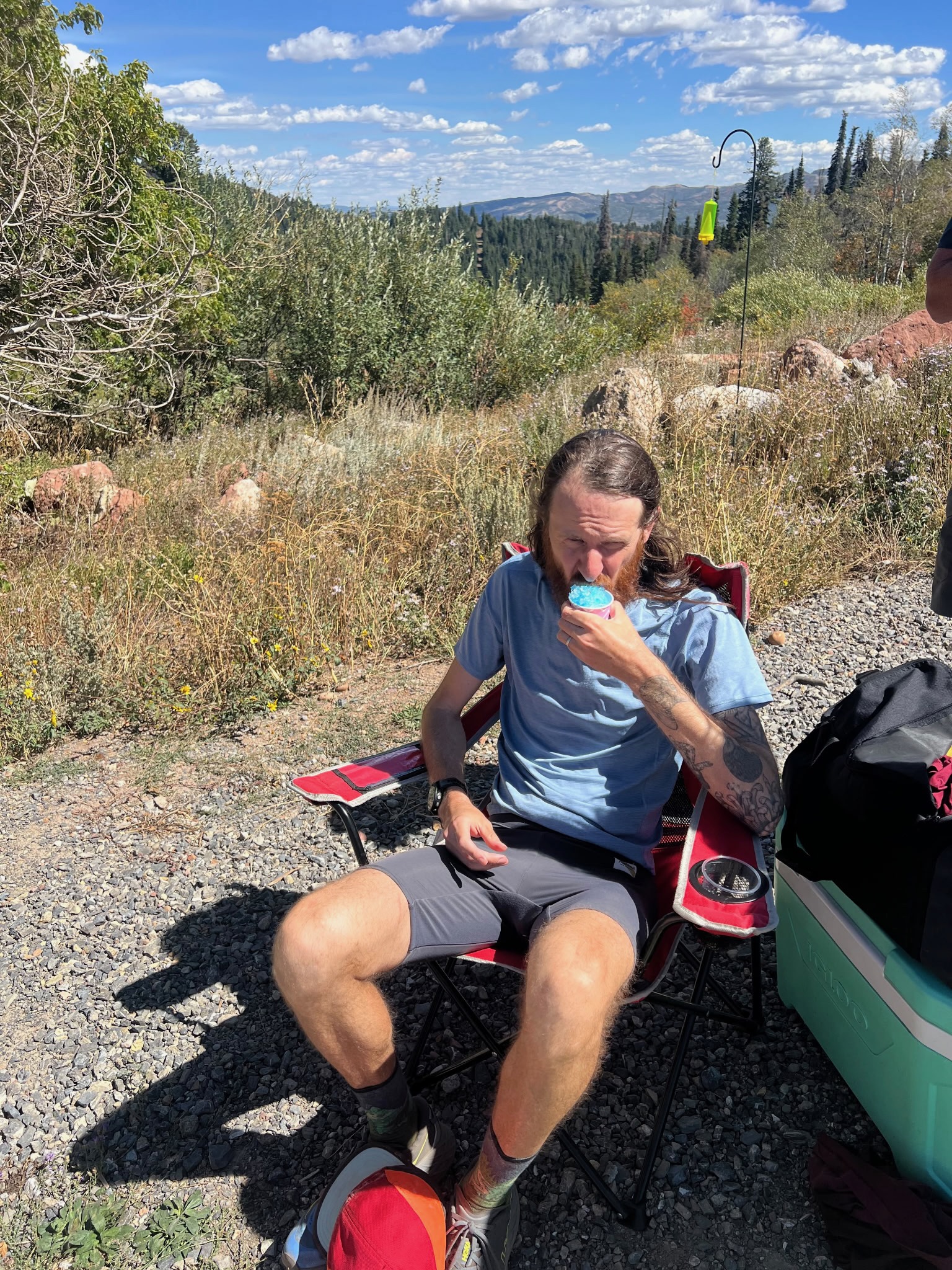
Food helped. At Brighton, Eric finally managed to get some calories back into his stomach. One volunteer seemed determined to offer him every dairy product known to man. Eventually, Eric left the warmth of the aid station with Aaron, his college XC running mate, pacing beside him. And immediately started climbing.
The climb out of Brighton was the steepest of the race and led to the highest point on the Wasatch course. By the time Eric’s watch clicked over 21,875 feet of total climbing, the absurdity of the number probably didn’t matter much anymore. There was only up. Until there wasn’t. Then came the other side.
The descent should have been relief. It wasn’t. The trail dropped through a washed-out basin where running cleanly was nearly impossible. Tired legs couldn’t find a rhythm. Feet searched for someplace solid to land. Eric and Aaron stumbled their way down the mountain toward Ant Knolls. The volunteers there were loud, enthusiastic and exactly what two exhausted runners needed. Eric took in some calories. He drank some ginger ale. Aaron even started feeding him potato chips. For a moment, it seemed like the stomach might finally cooperate.
Aaron put a few potato chips into Eric’s mouth. Two seconds later, the potato chips came back. So did everything else Eric had managed to keep down since Lambs Canyon. It all landed on the ground at Ant Knolls. Hours after the heat had nearly ended his race, its effects still weren’t finished with him. Eric had made it through the Furnace. But the Furnace was still traveling with him.
They tried a few more foods before leaving Ant Knolls. Nothing really worked. Eric and Aaron stumbled on toward Pole Line, but the calorie deficit was catching up with him now. His legs grew wobbly. Strength was disappearing faster than he could replace it. At Pole Line, they took their time. Eric tried to eat. His stomach refused. Eventually, they headed back onto the course anyway.
They made it slowly through the first part of the climb. Then Eric sat down. He looked at Aaron and said the words ultrarunners spend an entire race trying not to say.
“I need to drop.”
He couldn’t move anymore. There was no dramatic debate. No surge of determination waiting just beneath the exhaustion. His body was empty. So they turned around and walked back to Pole Line.
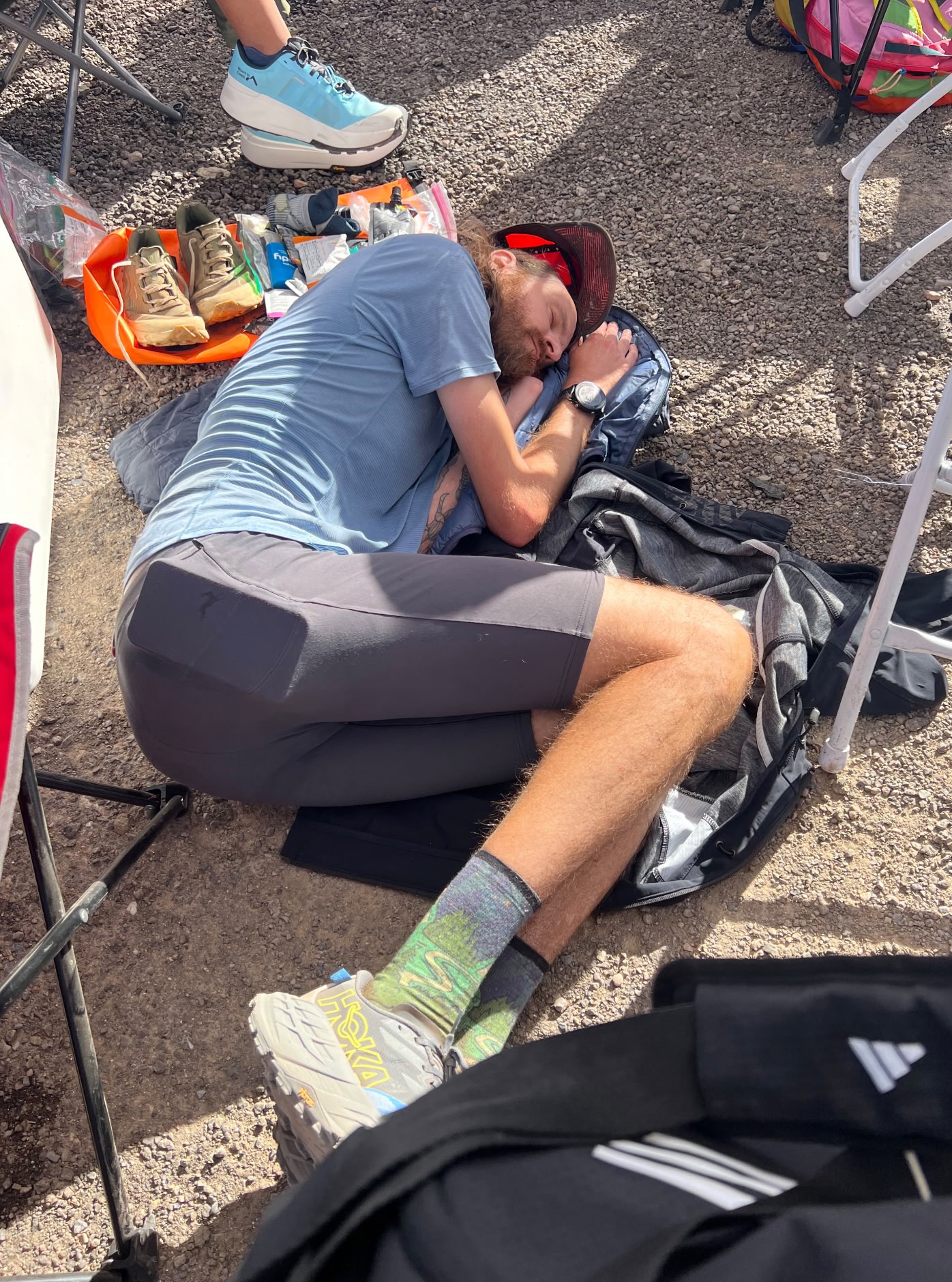
The aid-station captain took one look at him and told him to lie down on a cot inside a van. Eric did. Fifteen minutes later, Aaron checked on him. Eric was out. At thirty minutes, still out. At an hour, still out. At two hours, signs of life began returning. At three, he was moving again. Four hours after lying down convinced his race was over, Eric sat up.
Aaron brought him M&M’s and Nerds Gummy Clusters. Not gels. Not carefully measured sports nutrition. Candy. Eric ate them. And they stayed down. After hours of rejecting nearly everything he tried to consume, his stomach had finally accepted something. That changed everything.
Four hours earlier, Eric had returned to Pole Line to quit the Wasatch 100. Now he stood up and headed back toward the trail. The volunteers knew what had just happened.
They knew how bad he had looked when he came back. And when Eric and Aaron walked out of the aid station to rejoin the race, the entire place erupted in cheers. Eric hadn’t finished the Wasatch 100. Not even close. But he had already done something that, four hours earlier, seemed impossible. He had started again.
From Pole Line, there were still roughly 23 miles to go. After four hours asleep in a van, Eric and Aaron started walking again. And, surprisingly, they walked pretty well. They reached Rock Springs, where Eric gave the volunteers his race number. The reaction was immediate. They cheered.
They had been waiting for him. For a long time. Long enough to get nervous. No one had told them about the four-hour nap at Pole Line. The ham radio operators had even called Brittany to make sure Eric was okay.
Rock Springs also delivered something Eric had been asking for all day. Mashed potatoes. After hours of fighting nausea and surviving on whatever his stomach would accept, mashed potatoes finally sounded like real food. He ate. And then he and Aaron headed back out. On the map, the rest of the course looked encouraging. Mostly downhill. That turned out to be misleading.
Wasatch had saved another trick. The descents weren’t smooth trail where tired legs could simply roll toward the finish. They were drainage ditches. Washouts. Broken ground. The kind of downhill that demands concentration when your legs are fresh, much less after nearly a hundred miles. So they kept chugging. Pot Hollow. Little Deer Creek. Then finally down to Decker Canyon. One aid station at a time. One section at a time.
And then the heat returned. The sun was up again and temperatures were climbing. Eric had now been moving long enough to experience two mornings, one brutal afternoon, an entire night in the mountains and another warming day. The stretch from Decker Canyon followed the reservoir toward the finish. Crushed gravel. Smooth. Runnable. On any normal day, it would have been fun. But this was mile 96. Nothing was fun anymore. The reservoir seemed to stretch forever.
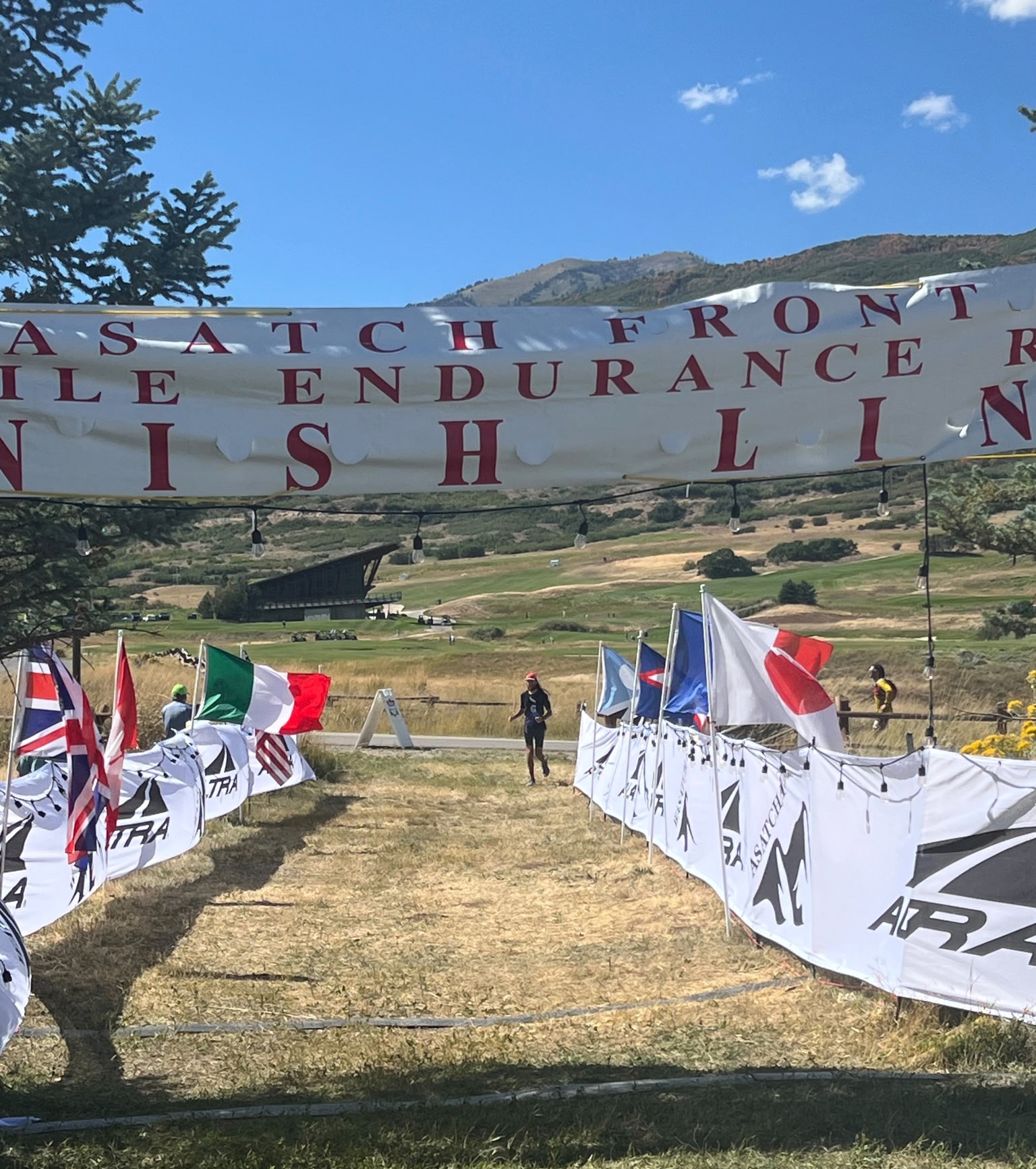
Eventually, the trail gave way to road. Eric and Aaron kept moving. They rounded a corner. And there it was. The finish line. Eric could hear his mom yelling. After the Furnace. After the heat exhaustion at Lambs Canyon. After the uncontrollable shivering. After vomiting everything in his stomach. After sitting down on the trail and telling Aaron he was done. After walking back to Pole Line and sleeping for four hours. Eric was going to finish the Wasatch 100.
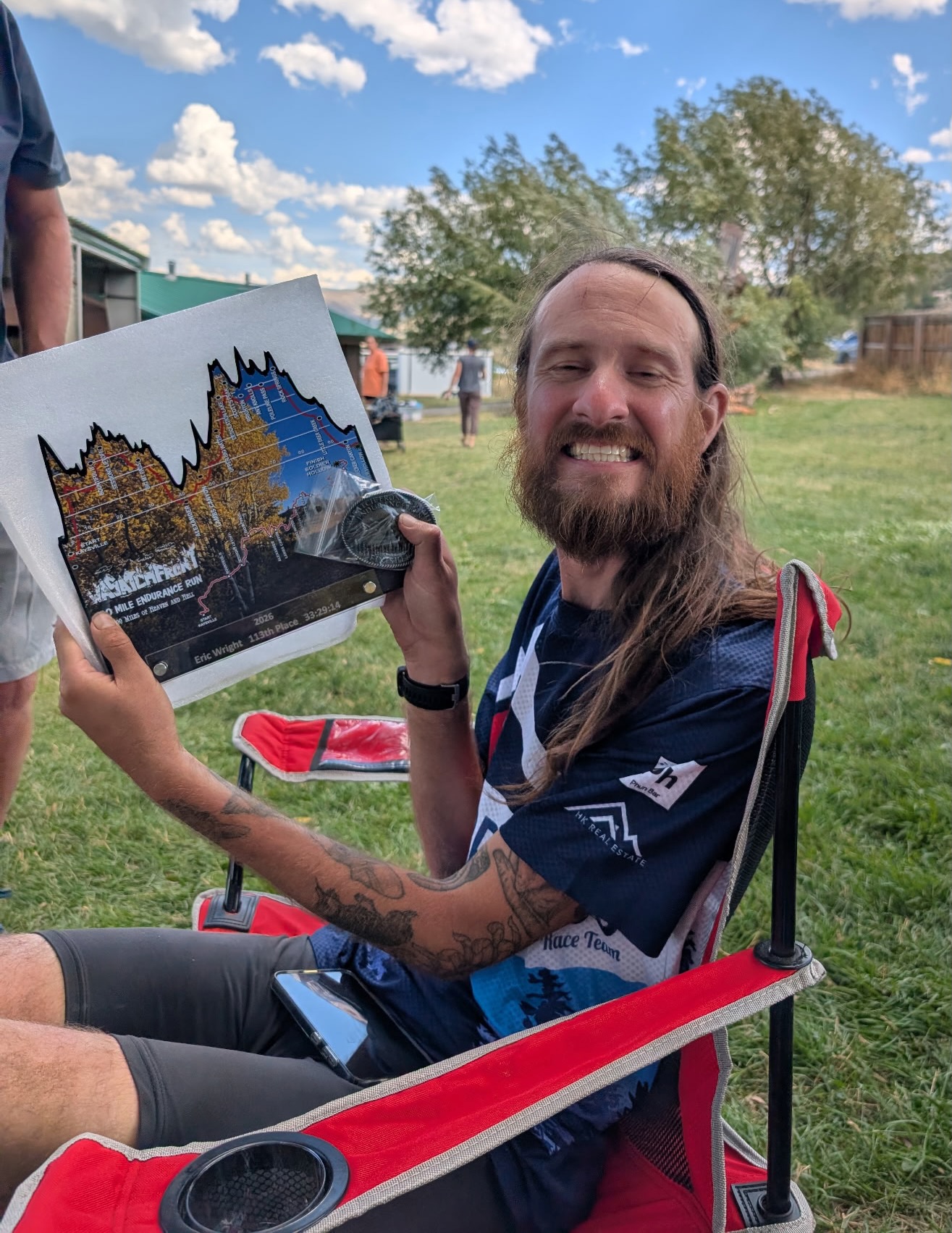
He had expected it to take somewhere between 24 and 26 hours. Instead, the clock read: 33:29:13.
Nine hours slower than the race he had imagined. But by then, the time hardly told the story. Because somewhere around mile 77, Eric’s Wasatch 100 had ended. His body had stopped. He had decided to quit. And then, four hours later, he got back up and ran another 23 miles. Sometimes the best race isn’t the one that goes according to plan. Sometimes it’s the one you finish after the plan is gone.
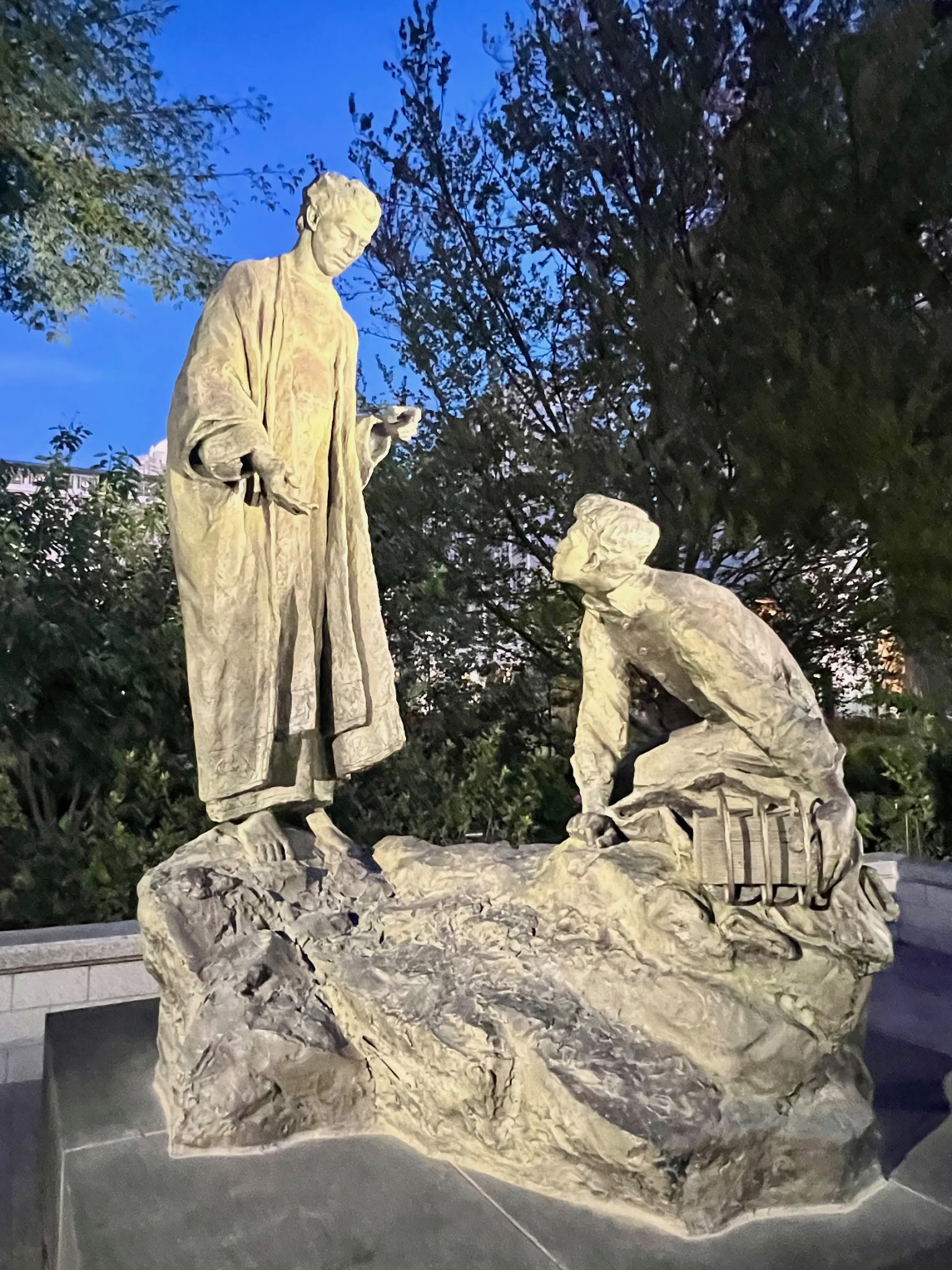
And sometimes, in the mountains north of Salt Lake City, you find religion to get you through to the finish line.
 A Runner's Story