
I’m pretty good at setting goals for myself. Less so about setting actual pans to attain those goals. I don’t like too much formality infringing on my hobbies. I reach my goals based on vibes. I found though that when I do go to the trouble of establishing a plan, I have a better success rate at meeting my goals.
The first step in the plan was to run a marathon for each season of the year. I’ve already registered for them, and ran the Austin Marathon in February for the winter, so I consider this step on target for the plan.
Step 2 is improvement though dieting. I want to qualify for Boston. That involves losing weight. I’m over-weight according to any standard medical chart. I’ve successfully dieted once before and it involved Karen monitoring me on a Weight Watchers plan, so I’ve reengaged her as my nutritionist once again. She’s good at it. I started 3 weeks ago and have been losing 3 pounds per week. On paper, I’ll achieve my goal of running my next marathon at 165 pounds or less. That’s a racing weight for me. I’ll be competitive.
I’ll need to be competitive because my next marathon is the Colorado state marathon championships. It wasn’t always. I took a couple of 2nd places before it began to host the championships. It’s bigger now, not too big still, and way more competitive. I don’t normally care about my place but because I used to take top 3 here, I want to again.
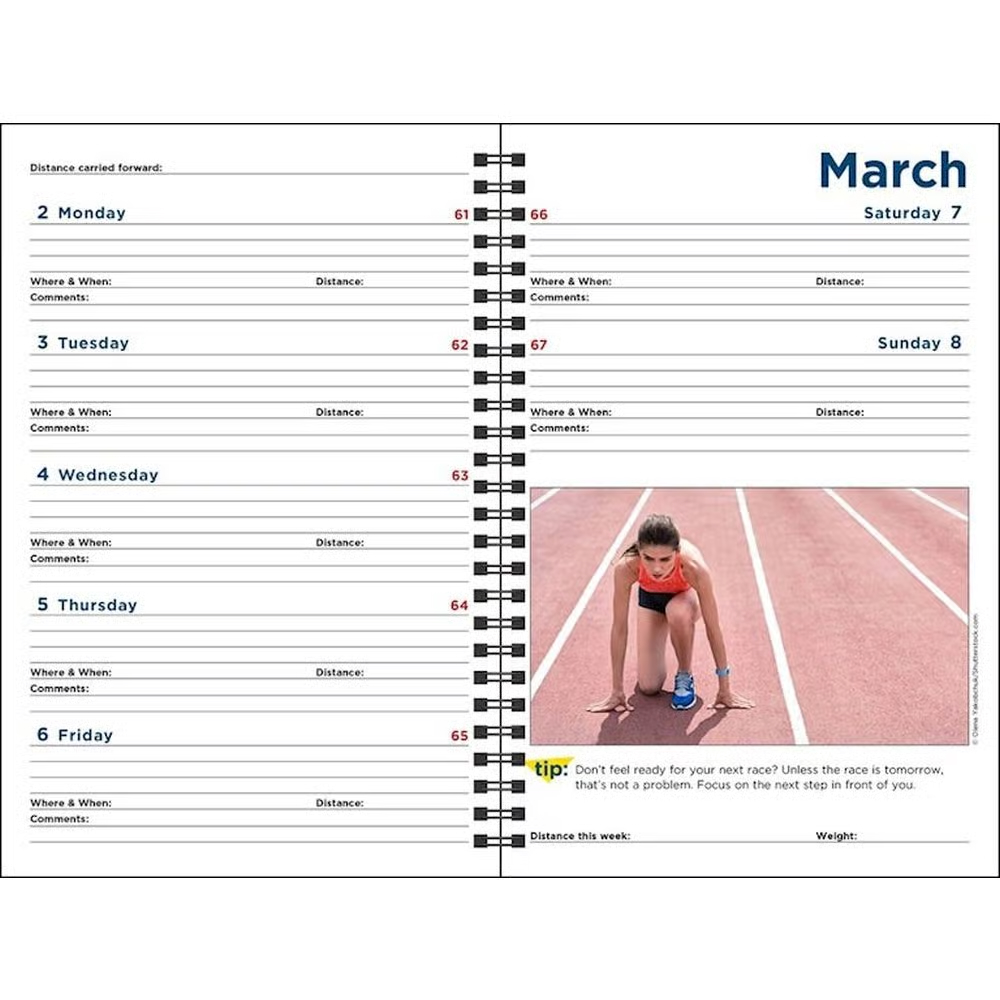
So, in addition to the diet, monitored by my wife/nutritionist with a 3-month subscription to the Weight Watchers app, I put together a weekly mileage plan. This is my own plan and not some coach-sponsored thing. I did consult my ChatGPT as I do with all my running goals. I modified it a bit based on the generative AI feedback, but I know the basics of training plans. Build up distance and include recovery. For my age, recovery is more important than for youth. I don’t run at all on Tuesdays and Thursdays. Those are my strength days, so I’m still doing something, but I’m not running.
Runners feel differently on strength training. Most don’t give it enough attention. They’re right on the math, a distance runner gets more from running than strength training. But that math changes as runners age. And at any age, strength training helps stave off repetitive use injury. I focus on my legs and core. I perform two upper-body routines, but there’s not much ROI there. I started out with twice a week and have now added a 3rd session on the weekends. The strength gives me confidence and it keeps me from over running.
Ten years ago, I would have worked my way up to 100-mile weeks. I won’t exceed 70 miles with this plan. Maybe it’s my 63 years, or maybe work just has me too busy, but I think 50 to 70 miles per week will suffice. What I’m doing different is running a 20 miler every weekend. I generally run one, two or three 20 milers as part of prepping for a marathon; this time I’ll run seven 20 milers in seven weeks. 20 miles will feel routine after seven weeks. My goal is to feel comfortable for the first twenty miles of my pending race. I’ll also run three 10 milers each week. That’s a good distance. It’s more than a 6 or 8 miler. It’s a pretty serious distance and that will also feel routine after my ten weeks of training.
That’s it. A 10-week training plan with 3 weeks behind me. It includes dieting because I don’t just want to run a marathon, I want to qualify for Boston and I can’t do that being over-weight. Normal weight for my height begins at 168 pounds. My plan has me there in two more weeks. Stay tuned.
 A Runner's Story